Therapy for LGBTQ+ Individuals: Finding an Affirming Therapist in HK
Why Affirming Therapy Matters
For LGBTQ+ individuals, the therapist’s office should be one of the safest spaces in your life. But that’s only true if your therapist genuinely understands and affirms your identity. Too many LGBTQ+ people have had experiences with therapists who were uninformed, uncomfortable, or subtly (or overtly) disapproving.
In my practice, LGBTQ+ affirming therapy isn’t an add-on or a specialisation — it’s foundational to how I work. Your identity is not a problem to be solved. It’s part of who you are, and therapy should honour that.
What LGBTQ+ Affirming Therapy Looks Like
It Doesn’t Centre Your Identity as the Problem
You might come to therapy for anxiety, depression, relationship difficulties, ADHD, or burnout. An affirming therapist understands that while your LGBTQ+ identity may intersect with these issues, it is not the cause. Minority stress — the chronic stress of living in a society that doesn’t fully accept you — may be a contributing factor, but that’s very different from your identity being the issue.
It Acknowledges Unique Stressors
LGBTQ+ individuals in Hong Kong navigate a specific set of challenges:
- Limited legal protections against discrimination
- Family pressure around marriage and children
- Workplace environments that may not be openly supportive
- Navigating coming out in a culture where saving face is paramount
- The intersection of being LGBTQ+ and belonging to other marginalised groups
An affirming therapist doesn’t pretend these stressors don’t exist or minimise their impact.
It Uses the Right Language
An affirming therapist uses your preferred name and pronouns without being asked twice. They’re familiar with terminology relevant to your experience. They don’t make you educate them about basic concepts during your therapy time.
It Never Attempts Conversion
This should go without saying, but: no ethical therapist will attempt to change your sexual orientation or gender identity. Conversion therapy is harmful, ineffective, and condemned by every major mental health organisation worldwide.
Finding the Right Therapist in Hong Kong
Hong Kong’s LGBTQ+ community has grown more visible and supported in recent years, but finding an affirming therapist still requires some due diligence:
- Ask directly: Before booking, ask the therapist about their experience with LGBTQ+ clients. A therapist who’s uncomfortable with the question is probably not the right fit.
- Look for explicit statements: Therapists who are affirming will usually say so on their website or profiles. If there’s no mention of LGBTQ+ work, it doesn’t mean they’re not affirming — but it’s worth asking.
- Trust your instincts: In your first session, notice how it feels to talk about your identity. Do you feel safe? Understood? Or like you’re educating the therapist?
- Community recommendations: Hong Kong’s LGBTQ+ community organisations can often recommend affirming therapists.
Common Therapy Goals
LGBTQ+ clients in my practice typically work on:
- Managing minority stress and its impact on mental health
- Coming out — navigating the process with family, friends, or colleagues
- Relationship challenges specific to LGBTQ+ partnerships
- Identity exploration — understanding and accepting your authentic self
- Intersectional issues — navigating multiple identities (LGBTQ+ and neurodivergent, LGBTQ+ and culturally Chinese, etc.)
- Building resilience and self-advocacy skills
- Processing past experiences of discrimination, rejection, or shame
You Deserve to Be Seen
Therapy should be a place where you can bring your whole self — every part of your identity, without filter or apology. If you’re looking for that kind of space, book a free discovery call. I’d be honoured to work with you.
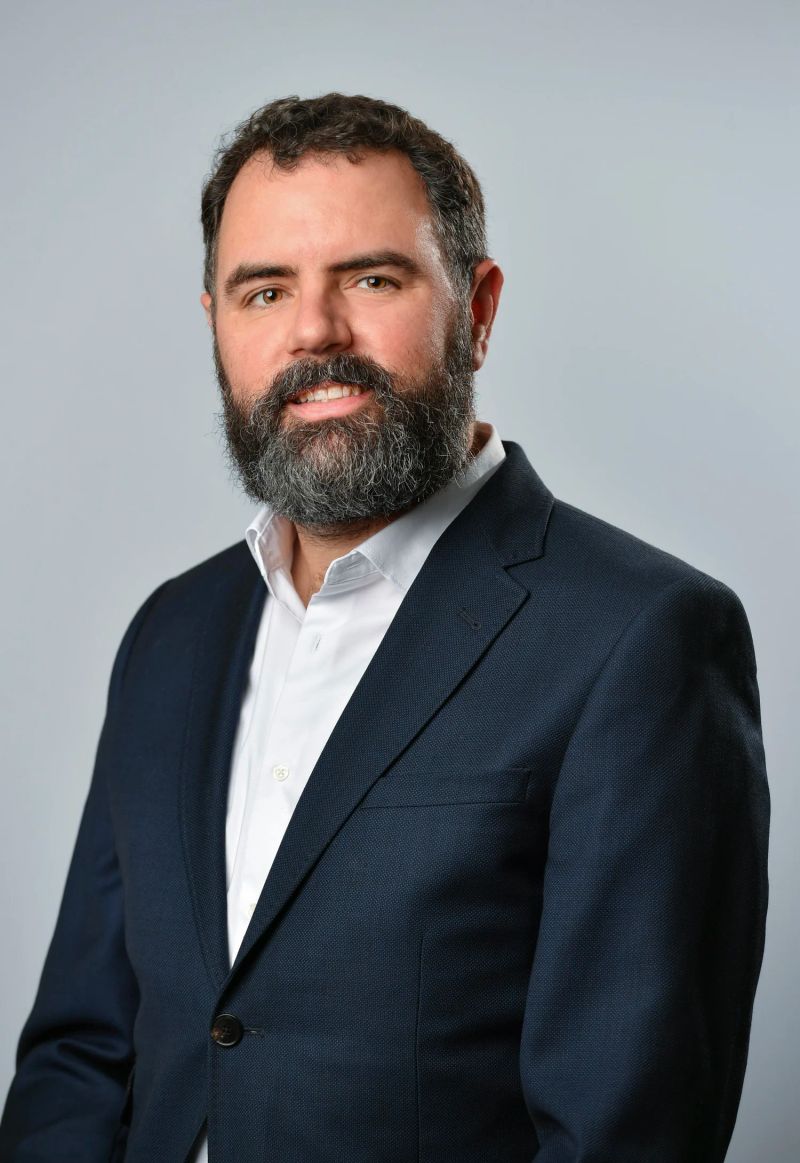
Jared Dubbs, MoC
Jared is a counsellor in Central Hong Kong specialising in ADHD, autism, and LGBTQ+ affirming therapy. He holds a Master's in Counselling from Monash University and brings personal lived experience of ADHD to his practice.
Learn more about Jared →