Managing Anxiety in Hong Kong's High-Pressure Environment
The Hong Kong Pressure Cooker
Hong Kong consistently ranks among the most stressful cities in the world. Long working hours, intense academic competition, sky-high living costs, small living spaces, and cultural expectations around success create a perfect storm for anxiety.
In my practice in Central, I see the impact of this environment daily. Professionals who can’t switch off. Students buckling under academic pressure. Expats struggling with isolation and identity. Parents trying to navigate a system that demands perfection.
If you’re feeling anxious in Hong Kong, you’re having a rational response to an irrational environment. The question isn’t “why am I anxious?” — it’s “what can I do about it?”
Understanding Your Anxiety
Anxiety is your brain’s threat detection system working overtime. In a genuinely dangerous situation, anxiety keeps you safe. But in modern Hong Kong, your brain treats a demanding email, a social obligation, or a financial worry with the same urgency it would treat a physical threat.
Common presentations of anxiety in Hong Kong include:
- Generalised worry — a constant hum of “what if” thoughts about work, finances, relationships
- Social anxiety — fear of judgement in social or professional settings
- Health anxiety — excessive worry about physical symptoms
- Performance anxiety — paralysing fear of failure at work or school
- Burnout — emotional exhaustion from chronic workplace stress
What Actually Helps
Recognise What You Can and Can’t Control
Much of the anxiety I see in Hong Kong comes from trying to control things that are inherently uncontrollable — other people’s opinions, the economy, global events, your company’s decisions. Learning to identify what’s within your control and releasing what isn’t is a core skill in both CBT and DBT.
Set Boundaries
In a culture that rewards availability and overwork, setting boundaries can feel countercultural. But boundaries aren’t about being lazy or uncommitted — they’re about sustainability. If you don’t set boundaries, your nervous system will eventually set them for you, usually in the form of burnout or breakdown.
Move Your Body
Exercise is one of the most effective anxiety interventions available, and it requires no therapist. Even 20 minutes of moderate exercise can significantly reduce anxiety levels for hours afterward. In Hong Kong, where space is limited, even a brisk walk along the waterfront or a session at a local gym counts.
Challenge the “Should” Narrative
“I should be further in my career.” “I should be able to handle this.” “I should be happier.” The word “should” is anxiety’s favourite tool. Notice when you’re “shoulding” yourself and ask: according to whom? Based on what? Is this actually true, or is it a story I’ve absorbed?
Seek Support
Therapy provides a structured space to develop anxiety management skills. In my practice, I use a combination of approaches depending on what fits best: CBT for challenging anxious thought patterns, DBT for managing the emotional intensity of anxiety, and ACT for building a meaningful life alongside anxiety rather than waiting for anxiety to disappear before living.
When Anxiety Needs More Than Self-Help
Self-help strategies are valuable, but they have limits. Consider professional support if:
- Anxiety is affecting your work, relationships, or daily functioning
- You’re avoiding important activities because of fear
- Physical symptoms (heart pounding, difficulty breathing, nausea) are frequent
- You’re using alcohol, food, or other substances to manage anxiety
- You’ve tried managing it yourself and it’s not working
You don’t need to wait until anxiety is unbearable. Book a free discovery call and let’s talk about what would help most.
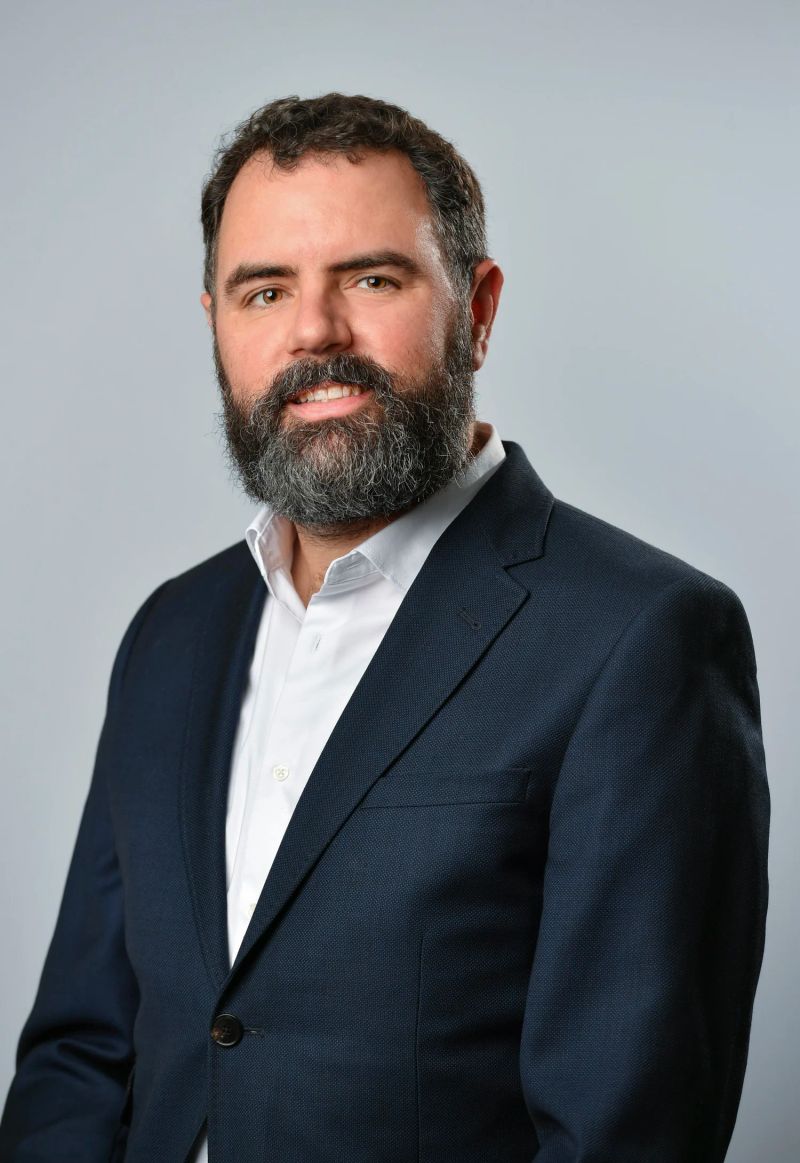
Jared Dubbs, MoC
Jared is a counsellor in Central Hong Kong specialising in ADHD, autism, and LGBTQ+ affirming therapy. He holds a Master's in Counselling from Monash University and brings personal lived experience of ADHD to his practice.
Learn more about Jared →